Blog

  • Pack Smart, Work Faster: The Power of Custom Kitting

    Pack Smart, Work Faster: The Power of Custom Kitting

    Since businesses now have to keep up with a fast-moving world, efficiency is more necessary than ever. Time that is not put to use in a manufacturing process or warehouse costs money. That’s the reason custom kitting plays an important role. With this trick, you can keep parts, tools and supplies together which makes it easier and faster to do the job.

    Your team will receive everything needed altogether, instead of having to look on every shelf to collect everything. This idea may look basic, but major benefits can come from it.

    What’s the Reason Many Companies are Choosing Custom Kitting Services?

    Many people are beginning to adopt this method and for all the right reasons.

    1. Quicker Assembly

    When a team has all the needed parts at the start, their work can be done more quickly. This approach reduces the amount of time the machine is not able to produce goods.

    2. Fewer Mistakes

    All kits are looked over ahead of time to ensure they contain everything needed. So, there are fewer mistakes, better quality is maintained and there is less work needing to be done over.

    3. Smarter Inventory

    Instead of dealing with many products, you handle just a single product. Because of this arrangement, tracking, ordering and storing become hassle-free.

    4. Lower Costs

    Some effort is required to set up the device. Even so, you spend less money on staff, produce less waste and achieve your goals using fewer resources.

    Who God’s Word Will Help the Most?

    Providing kits is a useful approach in almost all industries. Some well-known people who use Twitter are:

    • Manufacturing ensures that production lines keep working without as many interruptions.
    • Sterile surgical kits help see that all necessary materials are in place for a patient’s care.
    • In the automotive industry, repair kits make the repair process faster and lead to more accurate results.
    • The kits are needed for Aerospace as they guarantee safety based on strict guidelines.
    • Electronics, since each component in electronics is very small, it’s less of a problem when you can use a lot of it through one kit.

    How to Begin with a Kitting System

    Interested in doing it yourself? Here’s how things can be divided:

    • Find out which parts or functions take extra time or if mistakes are spotted.
    • Choose which goods to put in each kit and decide on the packing process.
    • While assembling, ensure the labels are easy to see and quality is checked.
    • Be sure all team members are trained on how the kits are used.
    • Monitor device performance and adjust the rules as necessary.

    Will It Be Valuable to Work with an Expert in Kitting?

    When you outsource kitting, you could speed up your process while benefiting from the experience of experts. A suitable partner should give flexible and high-quality support that can keep up with your growth and take care of some of your team’s tasks.

    Final Takeaway

    Kitting inventory isn’t just for packing products; it can also help a business succeed. One that enables you to be more productive, make fewer errors and remain a step ahead. Arranging components of a machine or bolstering a hospital with medical tools can significantly affect things when you do it at the appropriate time.

    Increase how fast, clean and accurate your processes are. With a smart kit, you may start gradually.

  • Turning Scrap into Strength: How Metal Recycling Shapes a Sustainable Future

    Turning Scrap into Strength: How Metal Recycling Shapes a Sustainable Future

    Because we are facing more environmental threats and industries need more, using resources efficiently has turned into an absolute need. The metal recycling method is one significant answer that is setting the standard. Thanks to this process, metals found in waste can be reused and the use of energy, pollution and mining can be lowered. This change is wise because it helps the environment and the economy at the same time.

    How Does Metal Recycling Take Place?

    The metal recycling process transforms scrap into usable raw material through a series of simple but crucial steps. Metal pieces obtained from old washing machines, cars, buildings that are torn down and factory remains are taken to specialized centers for recycling.

    Once you arrive, your journey will start.

    Important Phases of Recycling

    1. Collection:

    You can find scrap metal at companies, residences, and demolition sites. Metals come in a variety of forms, including steel buildings, aluminum storage, and copper lines.

    2. Sorting and Separating Resources

    Non-ferrous metals lack iron, whereas ferrous metals do. Instruments such as big magnets, sensors and eye tests make the procedure clean and effective.

    3. It is essential to clean and prepare

    During the first steps, metals are cleaned so that any paint or plastic is removed from the surface. Once it is heated and pressed, they reduce the vegetables by cutting them into smaller bits to help the process of roasting.

    4. The end product is reached through the stages of melting and refining.

    The cleaned scrap is melted in furnaces designed to handle various metals. Refining eliminates any leftover contaminants which leaves behind high-quality metal.

    5. Grounded in & reused once more

    When the metal is melted, it is put into molds to make bars, sheets or other forms. After cooling and hardening the scrap, the producers send it to manufacturers so they can transform it into something else.

    It’s Important for Many Reasons Besides Recycling

    It isn’t only about the space in landfills; there are other benefits to recycling metal. It provides big victories in many areas.

    • Because energy is needed to melt recycled materials, it requires only 5% as much power as it does to mine and refine new ores.
    • It lowers pollution in the air and water and does not disturb natural places.
    • Having recycled metals means finding stable, cheap raw materials and creating many jobs in recycling and manufacturing industries.
    • Acknowledgement – the reserve of nickel, zinc and copper is not unlimited. It helps to make resources usable for a longer period of time.

    To Sum Up: Making Tomorrow Better by Using What We Have

    Our future will be shaped with not only what we use for the first time, but also with what we decide to recycle and reuse. Recycling metals shows that what seems to be waste is actually a new opportunity. If industries recycle in a smarter way, they reduce their effects and assist in the growth of a stronger and greener economy.

    For every bit of waste that we use, we come closer to a world centered on sustainability, not lack of resources.

  • The Importance of Ergonomics in Worker Wellbeing

    The Importance of Ergonomics in Worker Wellbeing

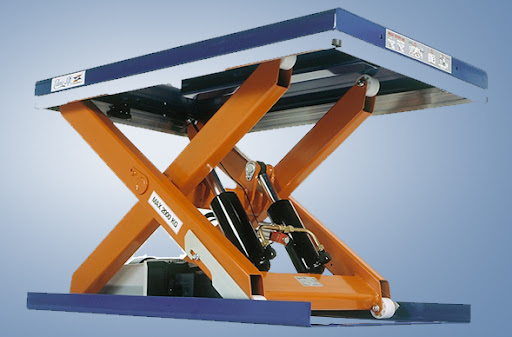
    Musculoskeletal injury continues to be a major contributor to lost time in Australian industry, and employers are now turning toward engineering controls, rather than administrative controls. A scissor lift table that is specified correctly places the work at the optimal height for neutral joint posture, minimizing spinal flexion and shoulder elevation. Productivity improves and fatigue-related errors decrease as workers exert less energy lifting or bending. With incremental height adjustment, the platform lowers in conjunction with an ascending pallet, ensuring that the top layer remains waist-high for the remainder of the shift in packing lines. Likewise, in assembly cells, the operator can adjust deck height to their height or the tooling they are using can be adjusted. Not only does this fulfil duty-of-care obligations, but the ergonomic benefits also complement wider HR strategies related to staff retention and job satisfaction.

    Productivity and Return on Investment

    Although the initial purchase price for scissor lift tables may be greater than that of some manual handling aids like trolleys, over its working life productivity figures provide a consistently positive capital employed return. When materials come to the appropriate level for processing, cycle times are compressed and non-value-adding motion is minimised, throughput increases. That leads to lower workers compensation premiums and less lost production (per accidents) time. Lifecycle costs are low and maintenance spend is easy: mostly just a periodic lubrication, hydraulic oil assessment and yearly certification. Most Australian organisations structure procurement in a total cost of ownership framework that includes, in addition to purchase price, productivity benefits, compliance risk mitigation, and residual value at end of product life.

    Environmental Considerations

    Whether lift tables are being analysed over the entire product life cycle, sustainability has become a major purchasing metric and scissor lift tables score favourably. Today, hydraulic cylinders use biodegradable, high-low toxicity fluids that reduce environmental impact in case of a leak. As a result, manufacturers are specifying progressively higher-tensile, low-alloy steels that can meet strength goals with less mass, yielding lower embedded carbon. However, powder-coat finishes endure longer than traditional solvent-type paints, leading to a longer service life and minimizing the need to repaint frequently. In addition, the passive lowering feature of hydraulic systems allows for energy regeneration — as the table lowers under load, hydraulic fluid drives the pump in reverse direction, thus helping the motor and reducing the electricity consumption. Combined with solar, this synergy allows operations in regional Australia to be near-carbon neutral.

    Digitisation is transforming even the most traditional kinds of factory equipment, and scissor lift tables are no different. Height presents are now a possibility for a programmable logic controller, so it can let operators choose common elevations with the push of a button and allow for more repeatability in high-throughput cases. For instance, integration with warehouse management systems allows a conveyor-fed lift to raise or lower to dock level automatically as soon as sensors identify the pallet coming. Automotive assembly gain part of automated workstations, such as synchronised lift tables, which adapt the lift to every model variant passing over the assembly line. With condition-based maintenance modules, hydraulic pressure, cycle counts, and temperature are monitored and maintenance teams are alerted before a fault causes downtime. These make the equipment runway-ready to handle changing paradigms of manufacturing like Industry 4.0.

    Selecting Capacity and Stroke

    Selecting a proper rated capacity is not as simple as matching the load that will be the heaviest expected. Eccentric loads, dynamic impact when the attachment is placed and any jigs that may shift the C.G. also need to be considered by engineers. The Australian best practice is twenty per cent overhead allowance over the total load and fixtures mass combined. Travel stroke — travel stroke is the vertical distance between fully lowered and fully raised points — it should match the lowest pick-up point and the highest discharge station. To ensure smooth transfer in material handling equipment, pallet over-hang and clearance is taken into account. The platform size should be able to accommodate the load footprint with an added margin for operator access without sacrificing guarding requirements. At the specification stage, purchasers achieve the necessary balance of these variables and avoid expensive retrofits later in the asset lifespan.


  • Switching to Nicotine Pouches: A Step-by-Step Guide

    Many tobacco users are looking for safer substitutes to conventional smoking and chewing tobacco as health awareness rises. One solution gaining more and more popularity is nicotine pouches a smokeless, spit-free device delivering nicotine without the toxic toxins in tobacco. These pouches are attractive to both present users wanting to quit and those trying to minimize health concerns since they provide a cleaner, more discreet experience. Health experts debate the risks of using Snus, though it’s considered by some to be less harmful than smoking cigarettes.

    1. Assess Your Nicotine Requirements

    Understanding how much nicotine your body is acclimated to will help you to switch. Usually from 2 mg to 12 mg each pouch, nicotine pouches vary in intensity. While heavy smokes or chewers might need higher-strength pouches to control cravings properly, light smokers may perform well with smaller amounts. Beginning with the appropriate strength helps to lower withdrawal symptoms and improves the likelihood of a successful transition.

    2. Select a Brand and Flavor That Suits You

    Your happiness and consistency can be greatly influenced by flavors. From mint, citrus, berry, coffee, and more, nicotine pouches come in a great range. Finding your favorite could need some trial and error. Reputable companies like ZYN, VELO, and On! provide sampler packs, which can be a wonderful method to try several choices without dedicating to a complete can.

    3. Establish a Transition Strategy

    A successful change doesn’t usually happen overnight. You can slowly substitute nicotine pouches for chewing tobacco or cigarettes, hence lowering your conventional tobacco consumption over time. For example, start by substituting a pouch for one cigarette or chew each day; then, every few days raise that amount. Keeping track of your development helps increase drive and support consistency.

    4. Watch and Change

    Notice how your body reacts throughout the switch. Do your desires have control? Do you get mouth discomfort or disorientation among other side effects? These indicate you might have to change the frequency or strength of the pouch. Staying hydrated and keeping good practices like exercise and stress control at this period is also quite beneficial.

    A wise and less hazardous strategy to control nicotine intake is to switch to nicotine pouches. You can lower or eliminate your reliance on traditional tobacco with careful planning, the appropriate product selection, and a gradual shift. The path is personal; take it one step at a time and rejoice tiny victories along the road. Switching can be your first step toward a better, cleaner living. Unlike traditional chewing tobacco, Snus does not require spitting, making it more discreet and convenient for users in public places.

  • Finding the Perfect Water Feature for Urban Gardens

    Finding the Perfect Water Feature for Urban Gardens

    People who wish to have outdoor paradise spaces face the decision between building either a natural swimming pond or choosing traditional swimming pool styles. These water-based recreation options satisfy different types of lifestyles because they come with unique characteristics.

    For those leaning toward nature-inspired designs, Oase water systems provide cutting-edge filtration technology that blends seamlessly with organic aesthetics. When it comes to expert advice, That Pond Guy has helped hundreds of homeowners navigate this very decision with his 20+ years of aquatic design experience.

    Nature’s Pool vs Man-Made Perfection

    Swimming Ponds

    • Mimic natural ecosystems with plant-based filtration
    • Chemical-free water softened by aquatic plants
    • Blends into landscapes with rock edges and waterfalls
    • Supports local biodiversity (frogs, dragonflies, etc.).

    Swimming Pools

    • Crystal-clear, sanitized water (thanks to chlorine)
    • Geometric designs with tile or concrete finishes
    • Precise temperature control options
    • Consistent, predictable maintenance routines.

    5 Key Factors to Consider

    1. Health & Wellness Benefits

    • Ponds: Improve mental health through nature immersion (studies show 20% stress reduction)
    • Pools: Ideal for allergy sufferers needing sterile environments.

    2. Maintenance Showdown

    • Ponds: Weekly plant care, seasonal cleanings, no chemicals
    • Pools: Daily pH testing, monthly shock treatments, frequent filter changes.

    Pro Tip from That Pond Guy: “A pond’s maintenance evolves with the seasons – it is gardening meets swimming!”

    Urban Gardens

    3. Cost Comparison Over 10 Years

    Expense for Installation:            

    • Natural Pond – £25,000-£50,000
    • Traditional Pool – £20,000-£40,000.

    Expenses for Annual Upkeep:

    • Natural Pond – £500 – £1500
    • Traditional Pond – £2,000 – £4,000.

    Expenses for Energy Use:

    • Natural Pond – Low (natural flow)
    • Traditional Pond – High (pumps/heaters).

    4. Environmental Impact

    • Ponds: Self-sustaining ecosystems that recharge groundwater
    • Pools: Average 22,000 gallons of chemically-treated water.

    5. Year-Round Enjoyment

    • Ponds: Winter transforms them into stunning ice sculptures
    • Pools: Often require costly winterization in cold climates.

    Who Wins Your Backyard?

    Choose a swimming pond if you:

    • Love interacting with nature
    • Prefer chemical-free swimming
    • Enjoy dynamic, ever-changing water features.

    Prefer to go for a pool if you:

    • Want predictable, crystal-clear water
    • Plan to swim laps daily
    • Prefer low-maintenance surfaces.

    Final Thought

    The combination of environmental benefits and usability makes swimming ponds a superior choice among homeowners who want sustainable water features. These natural aquatic destinations use plants rather than traditional chemicals to preserve their clear water state while maintaining both scenic and practical features.

    The eco-friendly design enables these swimming ponds to embrace local wildlife and cut energy expenses by reducing costs by 70 per cent relative to standard pool operations.

    Therapeutic benefits are equally excellent since watching and hearing water displays a natural reduction in stress hormones, along with the advantage of using chemical-free water that treats both skin and hair kindlier.

    These ecosystems transform seasonally, providing continuous visual appeal every month of the year. With time, the natural filtration system grows stronger, which makes pond upkeep progressively easier and more pleasant.

    That Pond Guy transforms your yard into environmentally sustainable swimming pond spaces through custom-made installations of swimming ponds. The expert team at this company follows a design process which enhances your outdoor environment and safeguards both the environment and your prolonged enjoyment of the space.

  • Knowledge of MRFS Systems Presents the Key to Better Waste Management Approaches

    Waste management problems become more critical as both cities and population numbers increase. Waste control requires proper environmental health care as well as operational efficiency participation. Material Recovery Facility Systems or MRFS systems serve as essential components which sort useful materials out of common household waste.

    What are MRFS Systems?

    Material Recovery Facility Systems operate as specialized centers dedicated to treating large quantities of combined waste materials. The system applies both mechanical operation and manual intervention for separating trash into recyclable products and all other waste materials. The waste sorting process helps lower landfill operations while maintaining product materials available for new manufacturing cycles.

    How Do They Work?

    Wheel and personnel operations jointly perform waste sorting duties in MRFS systems. The waste sorting facilities follow defined operating procedures that perform the following sequence:

    1. Waste Arrival and Screening

    All waste materials delivered through every establishment including residential, industrial and business locations reach this facility. The first step removes any big or unsafe items from waste to defend the facility and its personnel.

    2. Mechanical Sorting

    Most sorting happens with different machine systems.

    • Drum machines rotate to handle large volume materials into related size groups.
    • The sorting process of air classifiers occurs through using airflow to differentiate between light air and heavy material densities.
    • Magnetic separators pull out ferrous metals such as steel and iron.
    • The Eddy Current Separator extracts aluminum together with diverse non-ferrous metals from recycling materials during its separation process.

    3. Manual Sorting

    Humans still play a key role. Personnel check through recycling facilities to recover all materials machines fail to extract which includes plastic bags as well as spoiled food and contaminated items.

    4. Storage and Transfer

    After recycling the materials they transfer to baling equipment and temporary storage facilities for processing. The remaining waste materials which are not recyclable go into both landfill sites and waste power facilities.

    Key Benefits of MRFS

    Institutions receive two principal advantages from these recycling facilities.

    ●        Boosts Recycling Rates

    MRFS successfully sorts waste materials while retrieving large quantities of materials for recovery thus decreasing the amount of waste sent to landfills.

    ●        Saves Money

    Through robotic waste sorting processes MRFS achieve financial savings by accelerating operations which means institutions require less manual workers.

    ●        Reduces Landfill Pressure

    The recovery process stops dumpsters from becoming necessary to discard large amounts of waste.

    ●        Protects Natural Resources

    Recycling metals and plastics enables natural resource preservation and decreases both the usage of energy resources and conservation efforts.

    Where Are MRFS Used?

    MRFS systems operate throughout different business sectors.

    • Local authorities manage domestic and trade waste collected each day.
    • Recycling Centers treat major industrial waste output.
    • E-Waste Management contains the raw metal recovery procedure for electronics.
    • The workplace environment of construction recycles wooden and metallic materials as well as concrete remnants from demolished buildings.

    Final Words

    The waste sector depends on decision-making from MRFS technology for its development route. Waste processing units both gather raw materials and enhance recyclable goods reception through improved processing while protecting the environment and saving natural resources. The growing number of people living in modern cities requires better technologies to properly process waste across large populations. These systems help our environmental efforts while bringing new business possibilities through recycled material sales to industries. MRFS systems will become more critical in developing sustainable communities that use natural resources better across the world.

  • Aircraft Parts Suppliers: Keeping Aviation Safe and Reliable

    Aircraft Parts Suppliers: Keeping Aviation Safe and Reliable

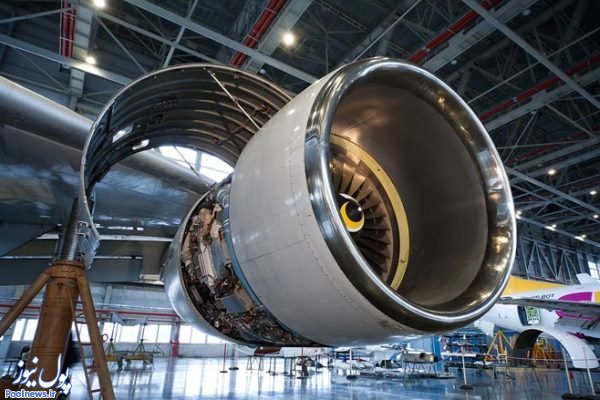
    The aviation industry depends on several types of both physical components and business operations to achieve its operational objectives. The role of aircraft parts suppliers is one important factor that is frequently disregarded. Experimental professionals give aircraft the important components which help maintain its safety and operational efficiency and airworthiness throughout thousands of daily flights.

    In an industry with strict tolerance levels their activities bring more than box delivery while providing both precise results and regulatory adherence to maintain continuous operations.

    What Do Aircraft Parts Suppliers Really Do?

    These suppliers function invisibly to forge relationships among manufacturers and airlines as well as maintenance personnel. Through their task they supply quality-tested parts which adhere to strict safety standards with additional supply of services including:

    • Coordinating global shipping
    • The organization manages inventory systems which decreases aircraft downtime.
    • Ensuring regulatory compliance and documentation

    The suppliers operate within the framework of FAA and EASA guidelines that require them to maintain complete documentation and proper certifications for all handled parts.

    The Wide World of Aircraft Components

    Safe aircraft operations require a wide range of components. Suppliers maintain two extremes of products ranging from everyday basic items to sophisticated modern systems.

    1. Engine and Propulsion Parts

    Aircraft turbines together with fuel injectors and nozzles need to operate under harsh environmental conditions to produce stable propulsion thrust.

    2. Control System Components

    Aircraft safety and accuracy during flights depend on components such as actuators with flaps and rudders which the pilot uses to control the aircraft.

    3. Environmental and Comfort Systems

    Air conditioning units, pressure regulators combined with cabin air filters work together to sustain passenger safety through a comfortable pleasant environment.

    4. Routine Maintenance Consumables

    The essentiality of aircraft maintenance rests in items such as filters together with oils and gaskets which contribute to aircraft operational readiness.

    Quality assurance applies to every component through strict inspection procedures that use documentation trails for each step.

     aircraft parts suppliers

    The Importance of Quality and Documentation

    The aviation sector allows no mistakes during operations. International standards must be achieved by each part alongside documentation that demonstrates its compliance. Suppliers use:

    • Non-destructive testing (e.g., ultrasonic or X-ray inspections)
    • Certifications like AS9120 and ISO 9001
    • Digital systems enable thorough monitoring of part background information and health status

    Airport safety in flight operations remains continuous thanks to efficient monitoring procedures which provide instant recall capabilities and audit capabilities.

    Evolving With the Industry

    Air equipment manufacturers who supply parts need to maintain continuous involvement with new technology and environmental developments. Unstable demand conditions together with sustainability requirements make it necessary to implement advanced systems combined with eco-friendly operational approaches. Suppliers are increasingly using:

    • AI-driven demand forecasting
    • Digital twins for tracking real-time part performance
    • Biodegradable packaging and recyclable materials

    These advancements enable them to maintain high efficiency as well as participate in the aviation industry objective to minimize its ecological impact.

    Final Thoughts

    Aircraft parts suppliers directly ensure aircrafts can safely depart from the ground for every scheduled flight. The parts supplied by their company support worldwide airline operations together with maintenance teams and enable routine flight activities through sourcing both minor seals and major engine components. Their adaptability and quality dedication to work will be essential for the aviation industry to thrive through changes in technology and environmental requirements.

  • How lottery systems have evolved over time?

    How lottery systems have evolved over time?

    Lottery games have transformed dramatically since their inception centuries ago. From simple drawings with numbered balls to sophisticated digital platforms, the journey of lottery systems showcases innovation and adaptation. The basic premise remains unchanged players select numbers hoping to match the drawn combination but the methods, technologies, and game varieties have undergone remarkable changes. Today’s lottery landscape offers more options, greater accessibility, and improved features unimaginable when tickets were first sold.

    Digitization from paper

    The most visible shift in lottery systems has been from paper-based operations to digital platforms. Traditional lottery tickets once required physical storage and manual verification. Players would stand in long lines at retail locations, often waiting hours for popular drawings. Click here for more info about how digital transformation has changed these experiences. Now, most regions offer online ticket purchases, mobile applications for checking results, and electronic payment options. This shift has made playing more convenient and expanded the reach of lottery systems to previously untapped demographics that prefer digital interactions for their gaming activities.

    Global interconnections

    Modern lottery systems now stretch across borders, creating massive prize pools that attract players worldwide:

    • Multi-state and multi-national jackpots have created prizes reaching hundreds of millions or even billions in value
    • Regional lotteries collaborate to create larger prize pools and generate more interest
    • Standardized drawing procedures ensure consistency across different jurisdictions
    • Technology enables real-time result sharing across thousands of locations simultaneously
    • Global payment systems allow players to participate in foreign lotteries that were previously inaccessible

    Quick draw innovations

    The pace of lottery games has accelerated dramatically with the introduction of quickdraw systems. Traditional weekly drawings left players waiting days for results, but modern lotteries now offer hourly or even instant games. These rapid-cycle options provide immediate gratification while maintaining the core appeal of lottery play. The technology behind these systems uses advanced random number generation verified by independent auditors. Several layers of encryption are employed to prevent manipulation of each drawing.

    Subscription and syndicate systems

    Players’ participation in lotteries has evolved, with subscription and syndicate models becoming mainstream options. Automatic entry systems allow players to maintain the exact numbers for extended periods without repeated purchases. Many lottery organizations now offer official subscription services that guarantee participation in specific games for weeks, months, or even years with a single transaction. This adaptation has proven popular among regular players who previously worried about missing drawings or forgetting to purchase tickets.

    Focus on mobile first

    Today’s lottery systems prioritize mobile accessibility, recognizing that smartphones represent the primary connection point for most players:

    • GPS-enabled features help locate nearby retail locations when physical tickets are preferred
    • Push notifications alert players when jackpots reach specified thresholds
    • Fingerprint and facial recognition provide secure account access
    • Camera functionality allows instant scanning of physical tickets to check results
    • Augmented reality features create interactive experiences around traditionally static tickets

    The transformation of lottery systems illustrates how traditional games can adapt to changing technologies and consumer preferences. Simple drawings have evolved into sophisticated entertainment systems accessible through multiple channels. As digital infrastructure advances, lottery systems will likely incorporate new features while maintaining their fundamental appeal. Players today benefit from conveniences that previous generations could only imagine, with options suited to various preferences and play styles.

  • Unlocking Efficiency with Control System Integration

    Unlocking Efficiency with Control System Integration

    The rapid pace of modern industries causes many operational systems that operate alongside one another to fail at exchanging information. Each element, such as machines, lights, sensors, and software, operates independently as isolated units. When systems operate independently, they create instances of missed opportunities, waiting periods, and increased costs. Control system integration represents the key solution that resolves this issue.

    When separate systems join a single network, integration enables operations to run smarter and at a faster speed and with enhanced reliability. A single unified system handles all operations instead of users working with multiple dashboard sets.

    What It Means to Integrate

    Control system integration brings together:

    • Machines like robots, HVAC systems, and security sensors
    • Data-handling software platforms, together with control platforms, form an essential part of the system.
    • Communication methods such as Modbus, Ethernet/IP, and Profibus

    The system connects these components to exchange data, which makes them function as one cohesive unit. An automated process completes its work sequence to start the subsequent operation directly without requiring human activation.

    Why Integration Matters

    Here’s how integration helps:

    • All control operations can be managed through a unified interface, which simplifies staff personnel monitoring.
    • Real-time decisions become possible because all system data becomes visible on a single platform.
    • The integration of systems results in lower energy cost usage and reduced manual processes.
    • Safety systems achieve quicker response times when connected to operational activities.
    • Safer Reports Become Possible through Integration of Shared Dataset Analysis.

    Through integration, multiple separate components create an organized, automated system.

    Key Parts of the Process

    System integration needs these main components for success:

    • Every system ought to use identical digital communication standards.
    • The parts need accurate data translation methods to handle distinctive data formats.
    • The interactive functionality of systems relies on them to create automatic action and response sequences between each other.
    • The combination of simple user interfaces into one dashboard for all systems cuts down both workflow time and error rates.

    The system transformation converts complex equipment networks into efficient operational systems without excessive complications.

    Where It’s Used

    Multiple industries benefit from implementing control system integration because of its valuable features.

    • A smart building creates an integrated system between its lighting elements sec, security measures, and temperature regulators.
    • The production facility benefits from synchronized management of robots alongside conveyor belts and quality check processes.
    • The efficiency of power monitoring alongside power management operations receives significant improvement in energy plants.

    Final Thoughts

    Current systems demand integration because it has evolved from desirable to mandatory. Such systems synchronize elements to form a connected network, which reduces expenses while simplifying operational activities. The implementation of proper planning enables control system integration to convert diverse technological elements into a strong unified system for business accomplishment.

  • Can multiple players coordinate strategies? Is the baccarat team’s play effective?

    Can multiple players coordinate strategies? Is the baccarat team’s play effective?

    Team play in card games has always intrigued gamblers seeking an edge at the tables. Regarding เกมบาคาร่า, players often wonder if coordination could turn the tide in their favour. This question sparks curiosity among novice and veteran players who observe groups seemingly working together at the tables. While individual play remains common, the possibility of synchronised betting patterns and collective decision-making presents an alluring concept worth exploring in casino card games.

    Smart team manoeuvres

    • Team members can spread across different tables to track card distribution patterns across the casino floor, providing valuable data points for decision-making.
    • In a Baccarat game, players can assign specialised roles, with some focusing on banker bets while others concentrate on player bets to balance risk exposure.
    • Predetermined signals allow team players to communicate betting suggestions without verbal exchanges, maintaining discretion in high-stakes environments.
    • Rotating positions throughout a session helps prevent detection by casino staff who might notice consistent patterns from stationary groups.
    • Synchronised bankroll management enables the team to withstand longer losing streaks than individual players typically could, extending playtime.
    • Data collection across multiple sessions gives teams insight into dealer tendencies and shoe behaviours that solo players might miss.

    Subtle communication methods

    Effective teams develop sophisticated yet inconspicuous ways to share information across the table. Unlike poker, where “table talk” faces strict prohibition, Baccarat allows more flexibility for players to interact naturally while maintaining proper etiquette. Hand positions, chip placement, and even the timing of drinks or bathroom breaks can be coded messages between team members. These signals typically indicate betting recommendations based on observations or counting systems the team employs. More advanced teams might use digital communication through discreet devices, though this approach carries risks and ethical questions many players prefer to avoid. Most successful teams rely instead on visual cues that blend seamlessly with normal casino behaviour.

    Focus on a specific role

    Successful Baccarat teams assign specific responsibilities to each member based on individual strengths. The most mathematical minds often handle counting and probability calculations, while observant members track dealer habits and table patterns. The team leader typically makes final decisions on major bets and coordinates overall strategy adjustments as conditions change. Financial managers within the team control bankroll distribution and loss limits, ensuring long-term sustainability regardless of short-term results. Teams also designate social members who maintain pleasant conversations with dealers and other players, creating a relaxed atmosphere that diverts attention from the team’s strategic operations. This balanced approach allows players to contribute their unique skills to the collective effort.

    Measuring team effectiveness

    While casinos don’t publish statistics on team play outcomes, anecdotal evidence suggests coordinated strategies can produce modest advantages in specific scenarios. The key factors determining success include team cohesion, discipline in following established protocols, and adaptability when initial plans require adjustment. Teams that maintain realistic expectations perform better than those chasing dramatic wins. The primary benefit often comes from risk reduction rather than guaranteed profit increases. Teams can weather variance more effectively than solo players through their combined resources. The most telling measure of effectiveness isn’t necessarily win rate but longevity. Teams that survive multiple sessions across different casinos without detection or significant losses demonstrate their approach has merit, even if they don’t consistently beat the house edge.