

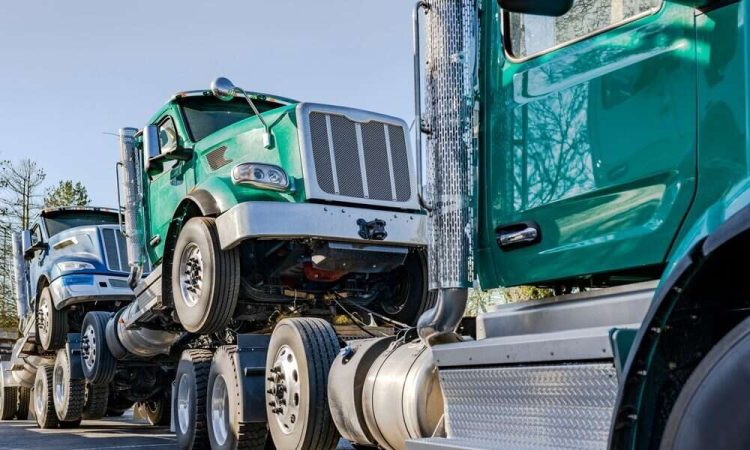
Commercial truck cases in Cedar Rapids involve more than just vehicle damage or injury reports. They sometimes require an in-depth review of driver conduct, company practices, and road conditions. Unlike regular auto accidents, these claims may involve larger companies, specific regulations, and multiple forms of documentation tied to industry standards.
A truck accident lawyer in Cedar Rapids Iowa, uses a wide range of evidence to evaluate liability and responsibility. Each piece is reviewed to understand the full sequence of events, from driver behavior to equipment condition. Organized case building depends on reliable records that confirm facts rather than opinions.w
Crash Reports and Scene Documentation
Police reports offer a clear record of the crash location, vehicle positions, and road conditions. Officers in Cedar Rapids typically document physical evidence at the scene, including skid marks, traffic signs, and weather impact. These reports help show whether traffic laws were followed and which drivers took certain actions.
Scene documentation sometimes includes photographs, diagrams, and measurements that support or challenge other records. This material helps lawyers reconstruct how the crash happened and where each vehicle was placed before and after impact. Visual records strengthen the case by providing context beyond written statements.
Driver Records and Compliance Documentation
Commercial drivers are required to follow federal and state safety rules, including limits on driving hours. A lawyer in Cedar Rapids reviews service logs to determine how long the driver had been on duty before the crash. Fatigue, distracted driving, or policy violations can sometimes be revealed through these records.
Compliance files may include drug test results, license status, or company evaluations. These documents show whether the driver had the proper qualifications and followed the required training. Reviewing them helps clarify whether the operator met the standards expected by law and by their employer.
Vehicle Maintenance and Repair History
The condition of a truck before a crash matters. Maintenance records help show whether key systems like brakes, tires, or lights were in proper working order. Failure to inspect or repair known issues may point to negligence in vehicle upkeep.
Service history can also uncover recent repairs or missed appointments. If parts were overdue for replacement or safety checks were skipped, it may affect how the vehicle responded during the crash. Lawyers connect these details to the mechanical factors that influenced the event.
Electronic Logging Devices and Dash Cameras
Many trucks have onboard devices that track speed, braking, and steering. These electronic logs help build a second-by-second timeline of what the vehicle was doing. The information is pulled directly from the truck’s system and is more reliable than memory or estimates.
Camera footage, both inside and outside the vehicle, adds another layer of evidence. Dashcams may capture road activity, vehicle movement, or the driver’s reaction. When paired with electronic data, video helps validate or challenge other case details.
Witness Testimony and Technical Review
Statements from those at the scene can add a helpful outside perspective. Witnesses may recall events that are not recorded elsewhere, like driver actions or traffic patterns. Their observations can help fill gaps between documents and official reports.
Experts in Cedar Rapids are sometimes asked to review physical evidence, vehicle damage, or road conditions. Their analysis supports fact-based explanations rather than general opinion. Both witness and expert input can help clarify how the collision unfolded in technical terms.
A truck accident lawyer in Cedar Rapids Iowa, reviews each category of evidence to form a complete case picture. Detailed records support each step of the legal process, from claim filing to negotiations or trial. Strong documentation ensures the facts are clear, organized, and ready for legal action.